DRC Screens 300 after Ebola Patient Traveled by Boat
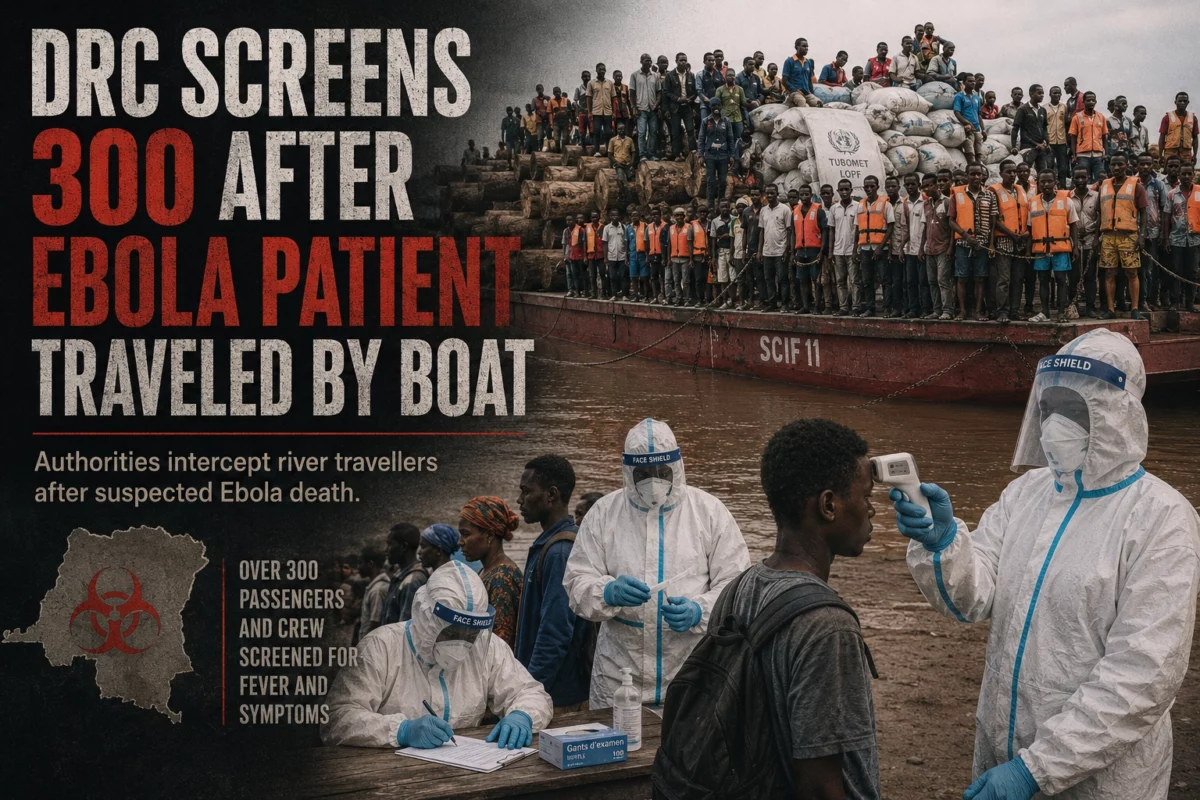
JOHANNESBURG — In a dramatic incident on Aug 6, Congolese authorities halted a passenger boat near Kinshasa after a man who died on board was suspected of having Ebola. The boat was stopped on the Congo River in Mongala province, about 65 km north of the capital, after the late passenger (a 32‑year-old man) disembarked in Kinshasa and later died in a hospital. In total, over 300 passengers and crew were screened for fever and symptoms by a mobile lab team, Congolese health officials said. Four passengers with fevers had blood samples taken for Ebola testing; results were pending. The operation aimed to contain any potential spread before passengers moved into populated areas.
Analysis: DRC boat screening and what it means
1) Containment efforts. This incident shows DRC authorities reacting quickly to possible Ebola exposure on shared transport. It highlights the risk of rivers as a disease vector – many remote communities use river boats regularly. For South Africa, which has no river border with Congo, the immediate threat is low. However, it underlines the need for vigilance in African travel hubs. Global health experts will examine this case to see if Ebola truly reached a densely populated city (Kinshasa) via this route.
2) Public anxiety. News of mass screenings can alarm the public. South African travelers to Africa will likely be reminded of checks (by airlines or embassies). Some countries might reconsider aid workers’ movement in DRC. Within Congo, such measures may fuel fear or stigma, but officials stress screening is precautionary.
3) Logistics vs. health. The boat’s interception involved military or police collaboration to stop traffic – a reminder that in an outbreak, routine transport becomes politicized. Congolese authorities had to balance public safety with not causing panic or interrupting river trade for too long. Lessons learned here (e.g. for WHO protocols on riverine transmission) may inform future epidemic responses across Africa.
What’s next
WHO and DRC health ministry will analyze test results. If any passengers test positive, a larger contact-tracing and quarantining effort will begin (something hard to do on moving boats). South Africa’s Department of Health has indicated readiness to implement exit screening if needed, but for now travel advisories remain limited to avoiding non-essential travel in high-risk areas. This incident may prompt Congo to intensify monitoring on passenger boats from regions with active cases, and neighboring countries to consider similar checks at border crossings.