
Libya Fixes Major Oil Pipeline Leak; Production Resumes
JOHANNESBURG — Libya’s Waha Oil Company announced on Aug 8 that it contained a major leak on the Zaqout-Sidra pipeline within 24 hours of detection and resumed pumping crude at 4:00am that morning. The state-linked firm said its crews fully controlled the leak found during routine inspections and restarted flows to Libya’s export terminal. Waha normally produces 340,000–400,000 barrels per day; prior cuts in 2026 had already reduced output from its fields. The company, a joint venture of Libya’s National Oil Corporation with TotalEnergies and ConocoPhillips, did not say how much oil was spilled or lost, but the prompt fix was welcomed by analysts.
Analysis: Libya pipeline fix and what it means
1) Supply stabilization. Libya is an OPEC producer, and unplanned shutdowns often tighten global oil supply. The rapid repair likely averted a shortage in the market. Global oil futures initially ticked up on the news of the leak but fell back once pumping resumed. For South Africa, the direct effect is on imported fuel prices (SA refineries rely on imported crude). Stability at Waha should prevent a spike in crude input costs for August refining.
2) Regional politics. Libya’s oil sector is often prone to disruptions (militia blockades, civil unrest). Quick repairs demonstrate an improved security situation around the Ghadames basin. Investors monitoring Africa’s energy markets may see this as a positive signal that Libya can maintain production levels after setbacks. A more predictable Libyan output helps global price forecasts (Brent).
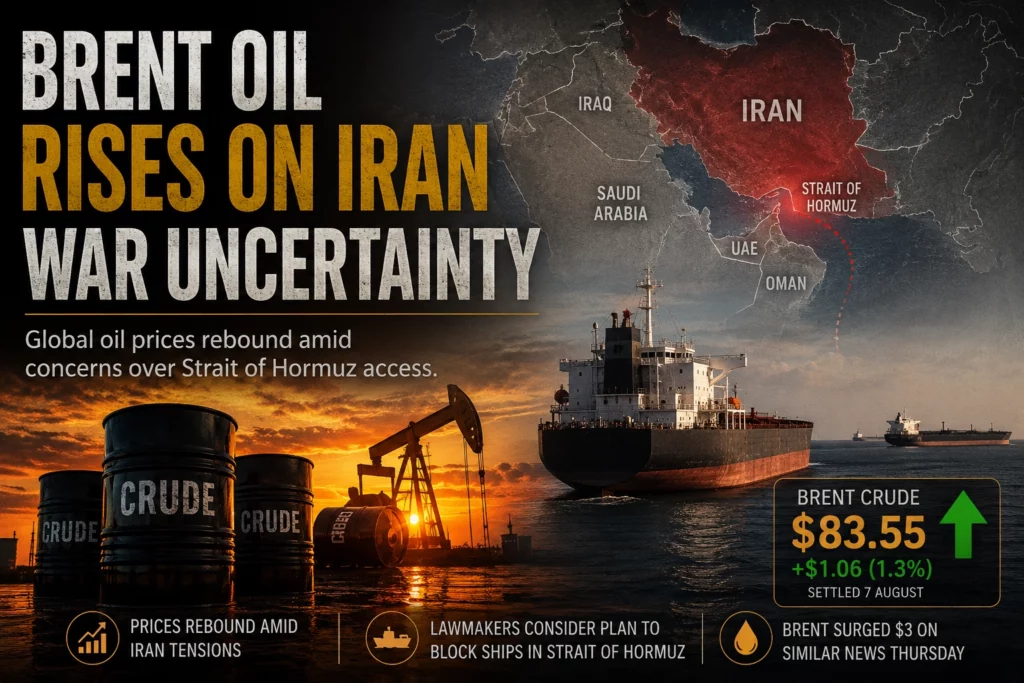
3) Market ripple effects. Oil prices had been influenced by the Middle East conflict and Iran war; Libya’s status adds only minor fluctuations. On Aug 7, Brent crude climbed slightly due to Iran Strait of Hormuz tensions. Now, with Libyan supply assured, any upward oil moves will likely stem more from geopolitical uncertainty (Iran, Houthi attacks) than North African incidents.
What’s next
Waha Oil and Libyan authorities will likely investigate the leak’s cause to prevent recurrence. International oil markets will watch if the resumed flow holds steady or if further issues emerge (Libyan infrastructure is aging). If global tensions ease (e.g. a ceasefire in Iran war), Brent prices may drop from recent highs, benefiting South African motorists. Locally, energy analysts will update gasoline price forecasts: a small dip in crude costs might slightly moderate the next round of fuel price adjustments, easing inflation on transport and food costs for households.