Government Marks 70th Anniversary of Women’s Day
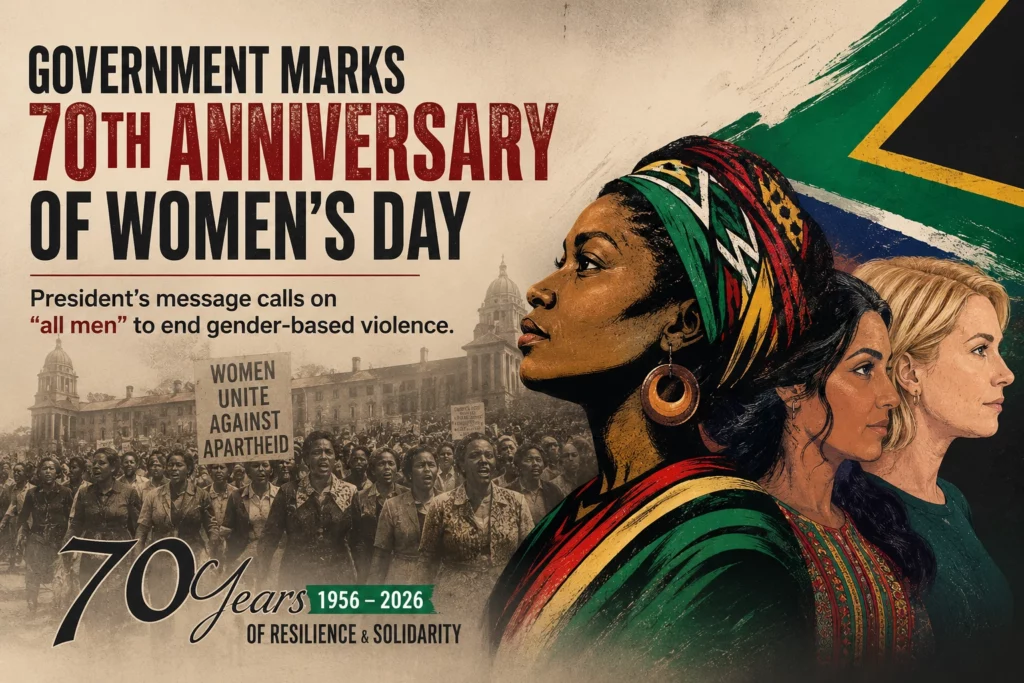
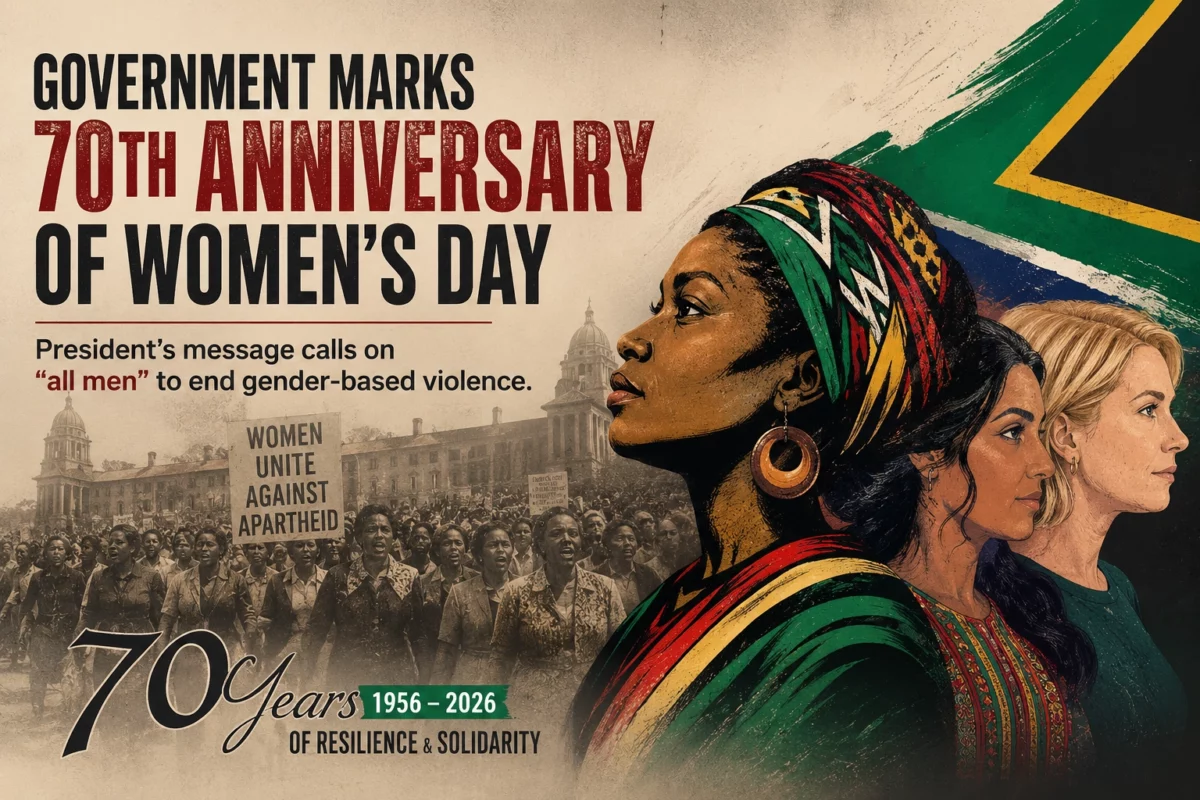
JOHANNESBURG — South Africa is commemorating the 70th anniversary of the 1956 Women’s March on Aug 9, with the theme “Empowered Women, Empower the Nation”. Government sources said the day’s events (including a national gathering at the Union Buildings) will honor the 20,000 women who marched against pass laws in 1956 and raise awareness of ongoing gender-based violence (GBV). On Sunday, President Cyril Ramaphosa delivers the keynote at the national commemoration. In a speech preview (shared via official channels), he reiterated that GBV is “not a woman’s problem” alone and urged “all men” to join the fight against it. The Women’s Day public holiday will see many workplaces and schools hosting educational programs, and the government is distributing pamphlets highlighting legal and economic rights of women.
Analysis: Women’s Day 70th anniversary and what it means
1) National reflection. With the 70th anniversary, SA media are running features on surviving 1956 marchers. Notably, Sophie de Bruyn (a march veteran) has expressed disappointment over persistent inequality (eNCA report). The government hopes the anniversary renews commitment to the march’s ideals. Themes like “empowerment” (the official theme) emphasize women’s economic and social roles as drivers of the nation’s future.
2) Policy spotlight. This year’s commemoration coincides with calls to strengthen GBV laws. Advocates may use the anniversary to press for quicker implementation of court orders, better policing of domestic violence, and equal pay enforcement. The CEO of a women’s NGO said events should “go beyond speeches” and demand concrete targets (e.g., reducing femicide rates).
3) Societal impact. Public interest in Women’s Day often spikes on social media with hashtags and campaigns (as Nobel laureate Malala Yousafzai noted, SA’s women inspire broader global causes). Employers have observed that many businesses allow staff extra leave or donate to women’s charities on Aug 9. Overall, the day mixes solemn remembrance with calls for progress; the actual effect on gender norms will be watched by NGOs and the UN Women office.
What’s next
The immediate next step is President Ramaphosa’s address, likely circulated on national TV and online. Legislators will return on Monday with Women’s Day still on their minds, possibly scheduling debates on new women’s protection bills. Provincial departments of education have prepared lessons for classrooms on the march’s history. Observers will also compare post-event media coverage to last year’s, to gauge if government rhetoric leads to policy changes. For ordinary South Africans, the anniversary underscores that “struggle” heritage is now linked to everyday rights, and may renew grassroots activism for equality.