South African rand edges up on strong gold prices
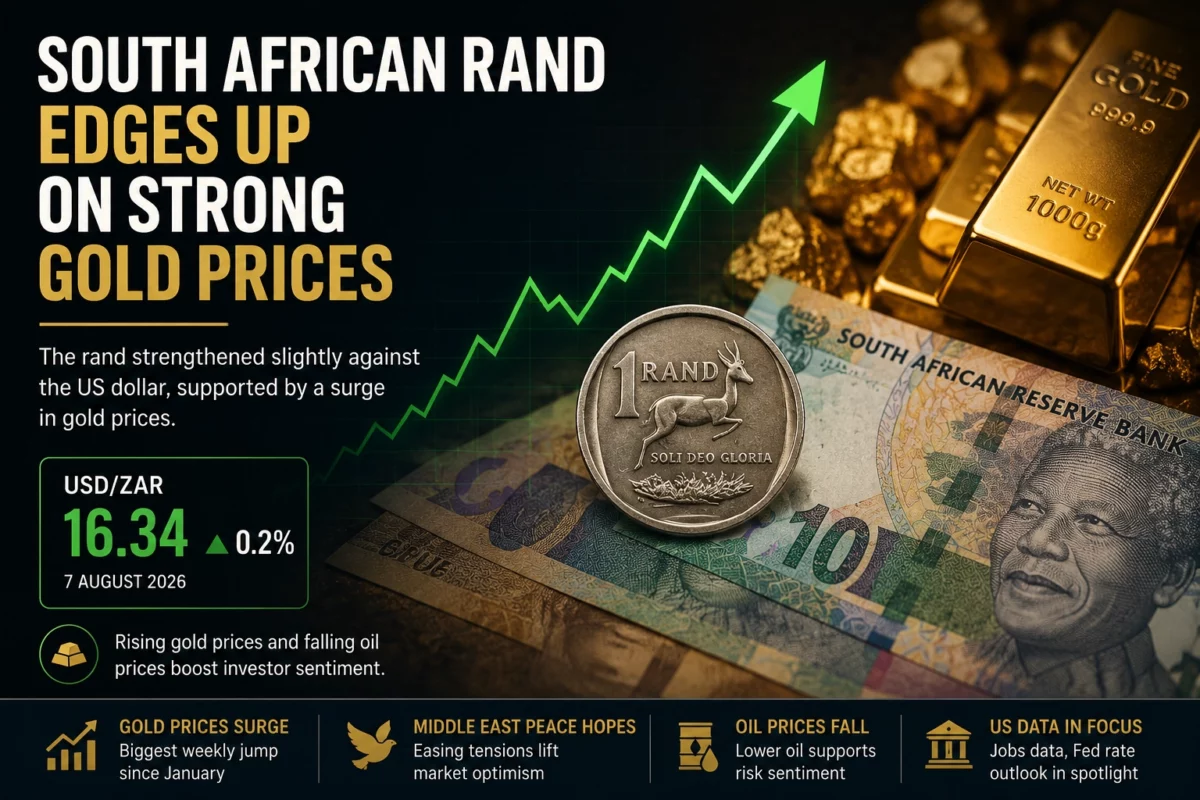
JOHANNESBURG — The South African rand strengthened slightly against the US dollar on 7 August, buoyed by rising gold prices. By morning, the rand traded around R16.34 to the dollar, about 0.2% firmer on the day. Analysts attributed the gain to gold’s surge (its biggest weekly jump since January) amid hopes for peace in the Middle East and falling oil prices. Gold, a major South African export, typically supports the rand; U.S. data on jobs and Fed rate expectations also had a secondary influence.
Analysis: Rand’s gold-driven gains and what it means
1) Gold link. Gold output (from SA’s mines) ties the currency to commodity cycles. Recent declines in global oil helped reduce inflation fears, boosting gold and, by extension, the rand. Traders at TreasuryONE noted that SA’s reserves ticked up ($71.76bn end-July), which also supports the currency’s appeal.
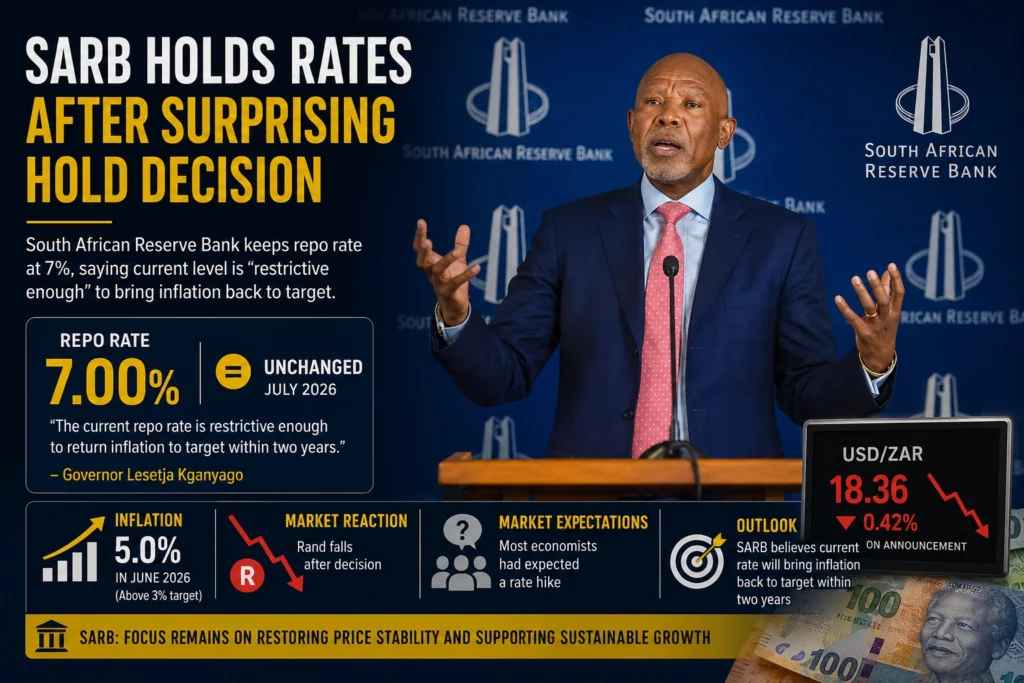
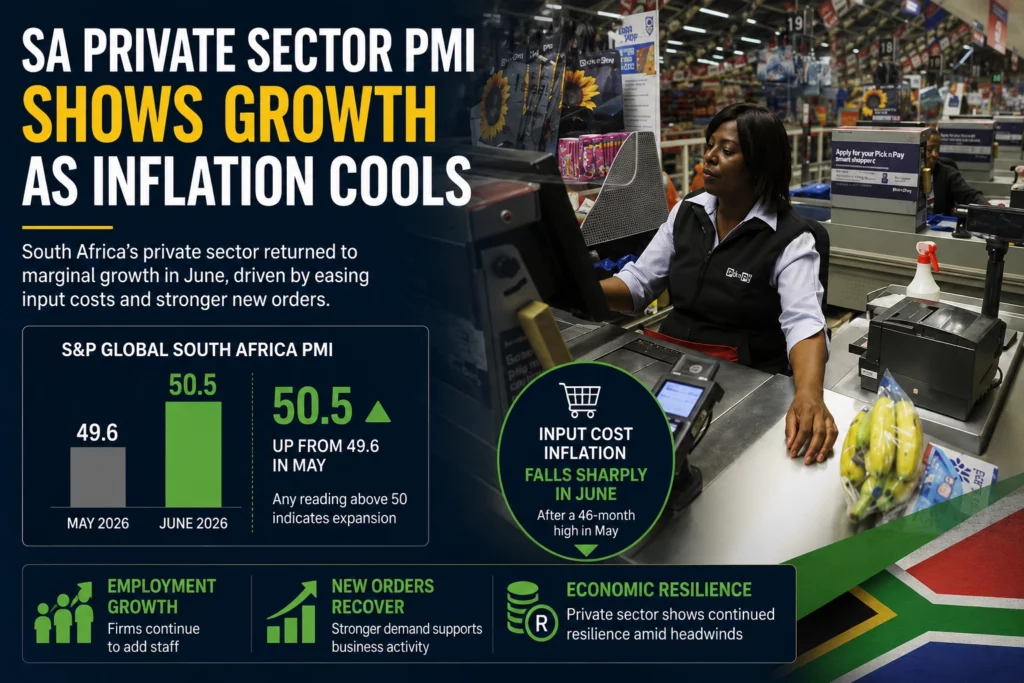
2) Interest rate outlook. Domestically, the rand’s movement reflects steady SARB policy. With inflation easing (as shown by recent PMIs), investors are eyeing the next SARB meeting. If the SARB holds rates, the currency may stabilise. Internationally, focus is on US jobs data; a strong dollar typically pressures emerging market currencies, but gold’s strong move this week offset that effect for now.
3) Market risks. Analysts warn the rand is still volatile. A geopolitical shock or spike in oil could reverse gains. South Africa’s economic indicators (like PMI and jobs data due soon) will be key next week for traders. In the short run, miners and exporters benefit from stronger gold, but importers face a slightly higher currency value.
What’s next
Later in the week, markets will watch the U.S. non-farm payroll report (10 Aug) and local manufacturing data (11 Aug). If global risk-off sentiment rises (e.g. due to Middle East tensions), the rand could weaken again. For now, exporters like gold mining firms see healthier local currency revenue. The SARB’s eventual commentary will clarify if gold’s gains have any lasting impact on monetary policy.